


Understanding Sensory Overload in Children
Is there anything more heart-wrenching than watching your child feel completely overwhelmed? One moment they’re happily taking in the excitement around them, and the next, they seem unable to cope. Tears appear, bodies stiffen, voices rise, or everything shuts down completely. For parents, these moments are painful and confusing.
Sensory overload occurs when the brain receives more sensory input than it can process. Sounds, lights, smells, movement, touch, and emotional energy pile up all at once. When this happens, the nervous system switches into survival mode, triggering a fight-or-flight response. What looks like a tantrum or defiance is actually the brain trying to protect itself.
This is not bad behaviour. It is not a lack of discipline. It is a child’s nervous system asking for relief. Once parents understand this, their response naturally shifts from correction to connection—and that’s where a calming corner becomes life-changing.
Why Sensory Overload Feels More Intense in Indian Settings
Indian homes and social spaces are rich, vibrant, and full of warmth. Weddings, festivals, religious gatherings, joint families, and everyday life are filled with colours, sounds, smells, and constant interaction. While this cultural intensity is beautiful, it can be overwhelming for sensitive children.
Loud music, bright lights, incense, crowded rooms, relatives wanting attention, and constant movement can overload a child’s senses very quickly. Many parents feel torn between cultural expectations and their child’s emotional limits. This internal conflict often leads to guilt or frustration.
A calming corner offers a gentle balance. It doesn’t reject culture or family life. Instead, it provides a safe space for a child to reset after being immersed in a highly stimulating environment.
What is a Calming Corner ?
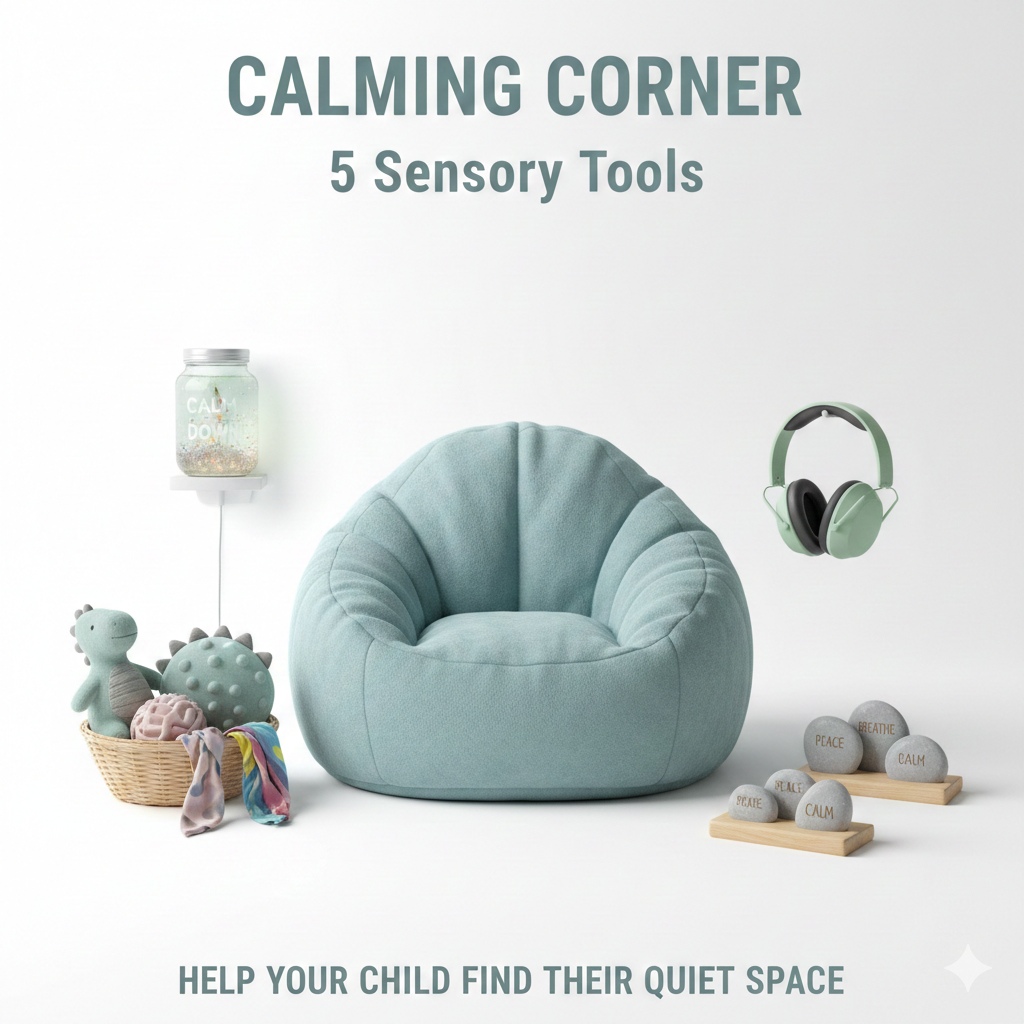
A calming corner—often lovingly called a Shanti Corner—is a designated safe space where a child can go to regulate their emotions and body when things feel overwhelming. It is not a punishment. It is not a time-out. It is a supportive, voluntary space.
Unlike traditional time-outs that can feel isolating or shame-based, a calming corner teaches self-awareness and self-regulation. The message is simple and powerful: “Your feelings are valid, and you have a safe way to handle them.”
Occupational therapists widely recommend calming corners because they help children build lifelong coping skills. Over time, children learn to recognize early signs of overwhelm and take steps to calm themselves—an ability many adults still struggle to master.
The Science Behind a Calming Corner
When a child is overwhelmed, the thinking part of the brain goes offline. Logic, reasoning, and listening are no longer accessible. The nervous system is focused purely on survival.
A calming corner works because it provides predictable, soothing sensory input. Soft textures, gentle pressure, reduced lighting, and quiet activities signal safety to the brain. This activates the parasympathetic nervous system—the body’s natural calming mechanism.
Repeated exposure to this regulation process strengthens neural pathways. Over time, children don’t just calm down faster; they learn how to calm themselves independently.
Emotional Benefits of a Calming Corner
A calming corner supports emotional growth in powerful ways. It helps children identify and name their feelings, which is the foundation of emotional intelligence. When emotions are acknowledged instead of suppressed, children feel understood rather than judged.
It also normalizes big emotions. Anger, fear, sadness, and overwhelm are not problems to fix—they are signals to respond to. A calming corner teaches children that emotions are temporary and manageable.
Most importantly, it creates emotional safety. Knowing there is a consistent place to go when things feel too much builds trust, security, and confidence.
How to Introduce a Calming Corner to Your Child
Introduce the calming corner during a calm, connected moment—not during a meltdown. Sit with your child and explain the purpose in simple language. Walk them through the space and show how each item can help their body feel better.
Practice using the corner together. Sit there, breathe, or read quietly. This builds positive associations and ensures the space feels supportive, not corrective.
- Comfort and Physical Security:
The foundation of a calming corner is comfort. Choose a quiet, low-traffic area of your home. In smaller Indian homes, this can be flexible—a mat or dhurrie that is rolled out when needed works well. Use soft cushions, beanbags, or folded blankets. Breathable fabrics like cotton, khadi, or handloom textiles feel gentle and familiar. A canopy made from an old dupatta or saree can create a cozy, enclosed feeling that helps children feel protected.
Product Spotlight: A Lycra swing provides gentle, full-body pressure and a cocoon-like experience that many children find deeply calming.
- Soothing Visual Input:
Overstimulated eyes need rest. Avoid harsh overhead lighting. Instead, use warm lamps or soft fairy lights. Keep the space uncluttered and visually simple.
Product Spotlight: A liquid motion timer offers slow, rhythmic movement that gives the brain a single calming focus, helping breathing and heart rate naturally slow.
- Deep Pressure for Grounding:
Deep pressure input, like a firm hug or a heavy blanket, helps calm the nervous system by releasing stress-reducing neurotransmitters.
Product Spotlight: A weighted stuffed animal combines comforting pressure with emotional reassurance, making it ideal during moments of distress.
- Quiet Tactile Engagement:
Hands often need movement to release nervous energy. Quiet tactile tools provide an outlet without adding stimulation.
Product Spotlight: Squeezy balls and therapy putty allow children to release tension silently and rhythmically.
- Emotional Safety and Ownership:
Let your child help create the space. Allow them to choose a name, colours, or favourite items. Including a cherished soft toy or blanket builds emotional connection and trust.
Turning Overwhelm into Inner Calm
A calming corner is not about stopping behaviour—it’s about supporting a developing nervous system with empathy and intention. By creating a Shanti Corner, you give your child the tools to understand their emotions and find calm within themselves.
In a world that can feel loud and overwhelming, this small space can make a powerful difference.

